
Entertainment & Arts
Case Studies
Learn how entertainment and art companies are using accurate structured blue light 3D scanners, comprehensive inspection software, photogrammetry technology, and/or automation to improve manufacturing processes with rapid precision measurements
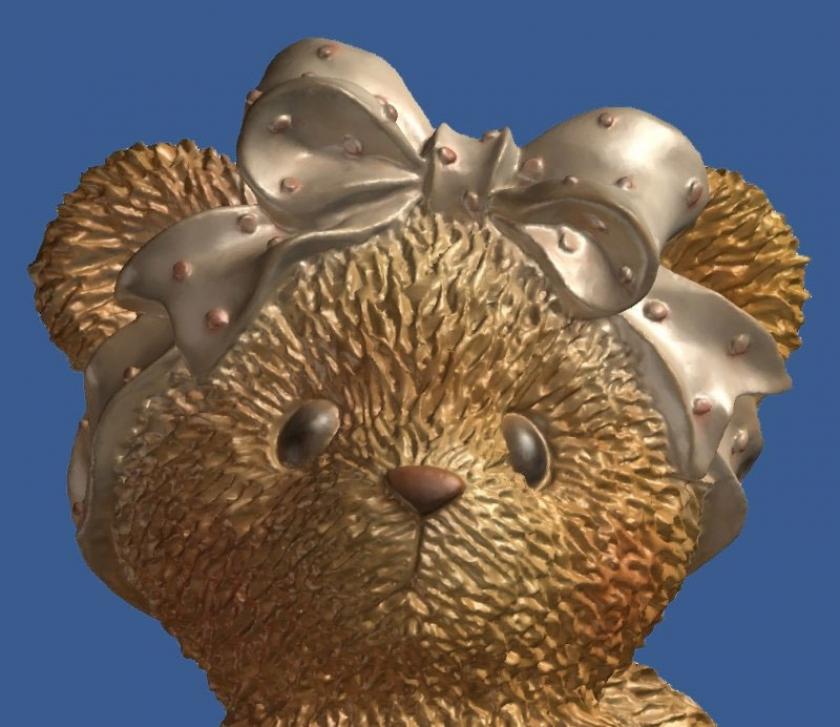
High quality colored 3D data can be generated projecting color information onto digitized data.
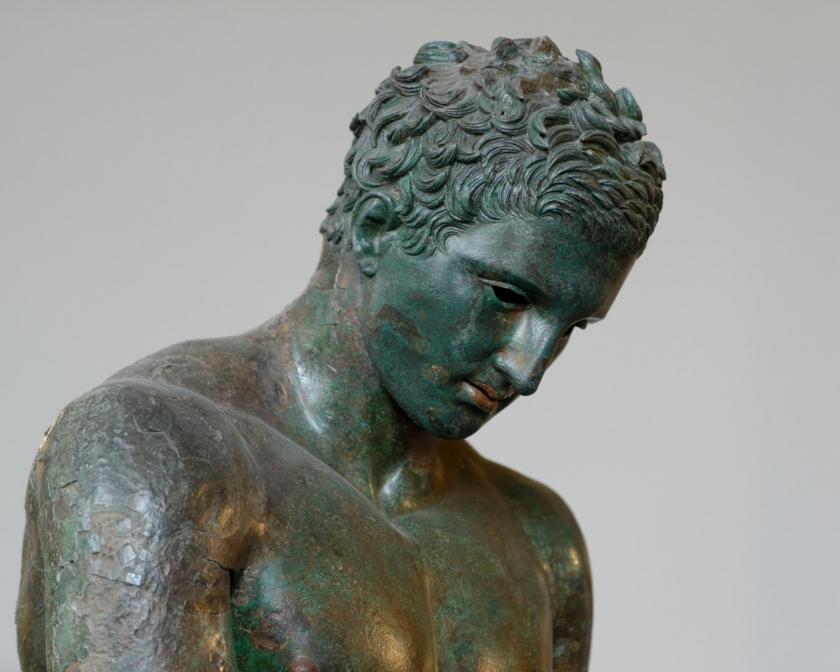
Apoxyomenos, an ancient bronze statue of an athlete scraping off oil and dust from his body after a competition, was found in 1999 in the…
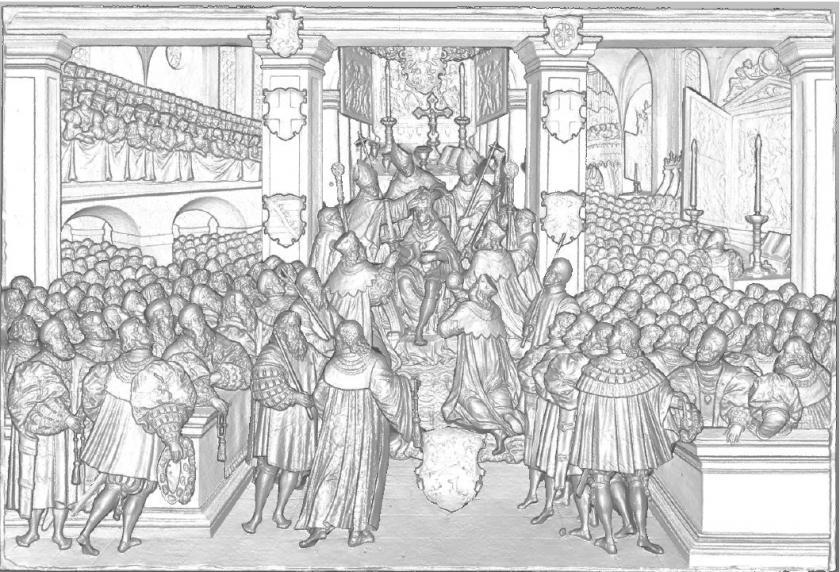
The cenotaph of Maximilian is located in the Hofkirche/Tirol. For centuries the tomb was separated from the visitors by a black iron lattice. In addition,…
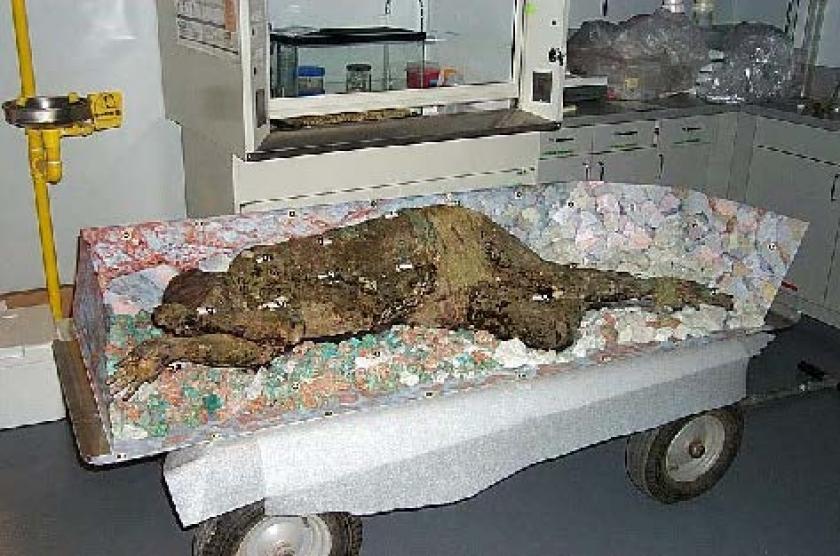
Scansite was contracted to recreate a Chilean mummy with ATOS optical non-contact 3D scanner. This presentation also gives an overview of their other art and…
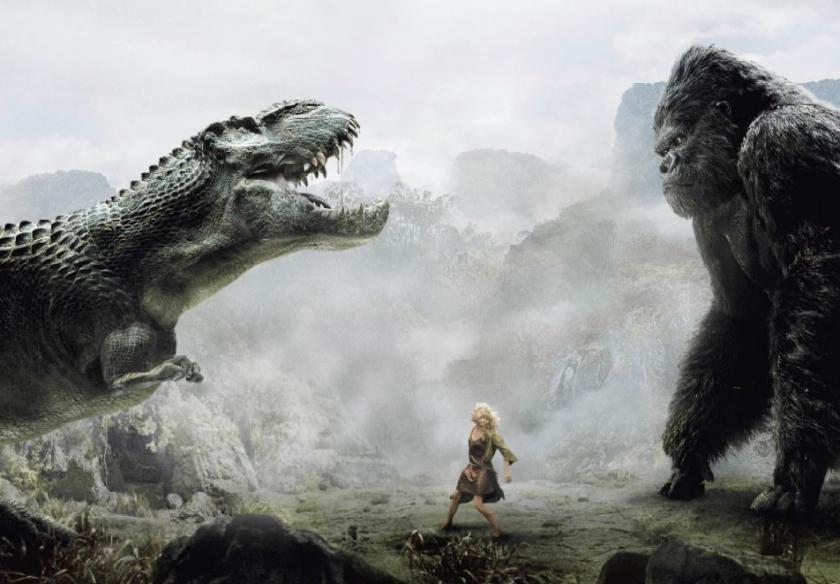
Samples of where ATOS 3D scanning has been utilized within the entertainment industry for movies, video games, toy design, and visual effects.
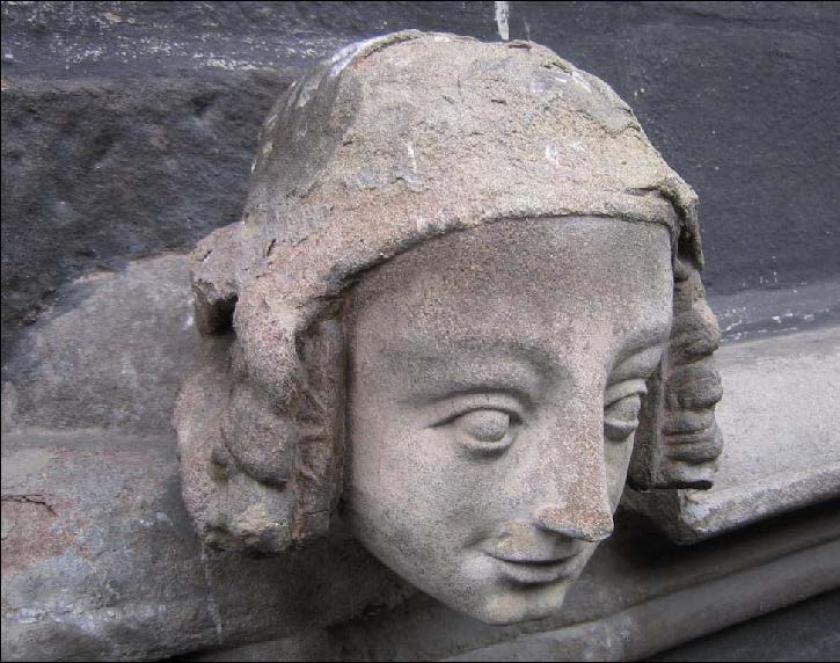
This presentations details how 3D digitizing offers new possibilities to cultural heritage recording and reproduction. In that case 3D accuracy is critical issue. It is important to…