
3D INDUSTRIAL MEASUREMENT SOLUTIONS
fast, accurate, scalable, portable, and reliable

 Home Contact Employment Site Map


Applications - Rapid Manufacturing
Applications
--- Quality Control
--- Reverse Engineering
--- Rapid Manufacturing
------- Toolmaking
------- Injection Molding
------- 3D Design
------- Rapid Prototyping
--- 3D Visualization


Have Capture 3D Benchmark Your Application


Toolmaking

Optical Measuring Technologies in Sheet Metal Processing

Measuring Systems: ARGUS, ATOS

Keywords: Measuring instrument, Sheet metal, 3D digitizing, Material properties

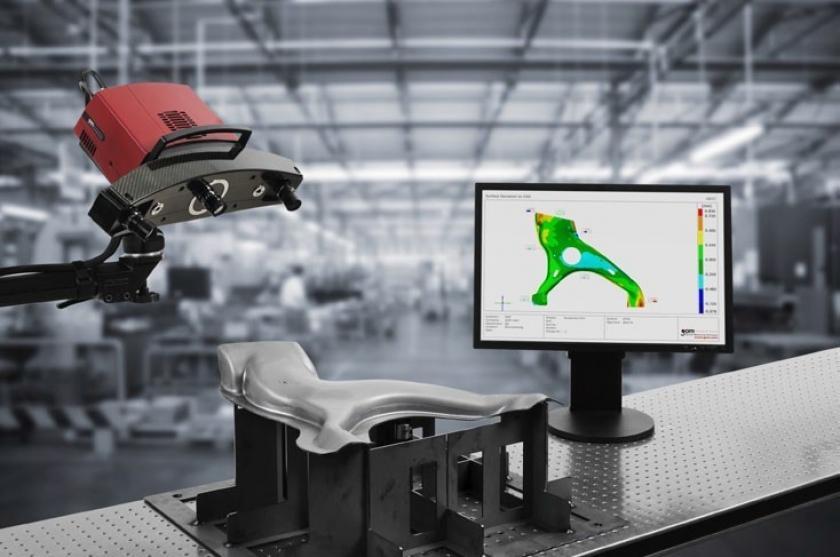
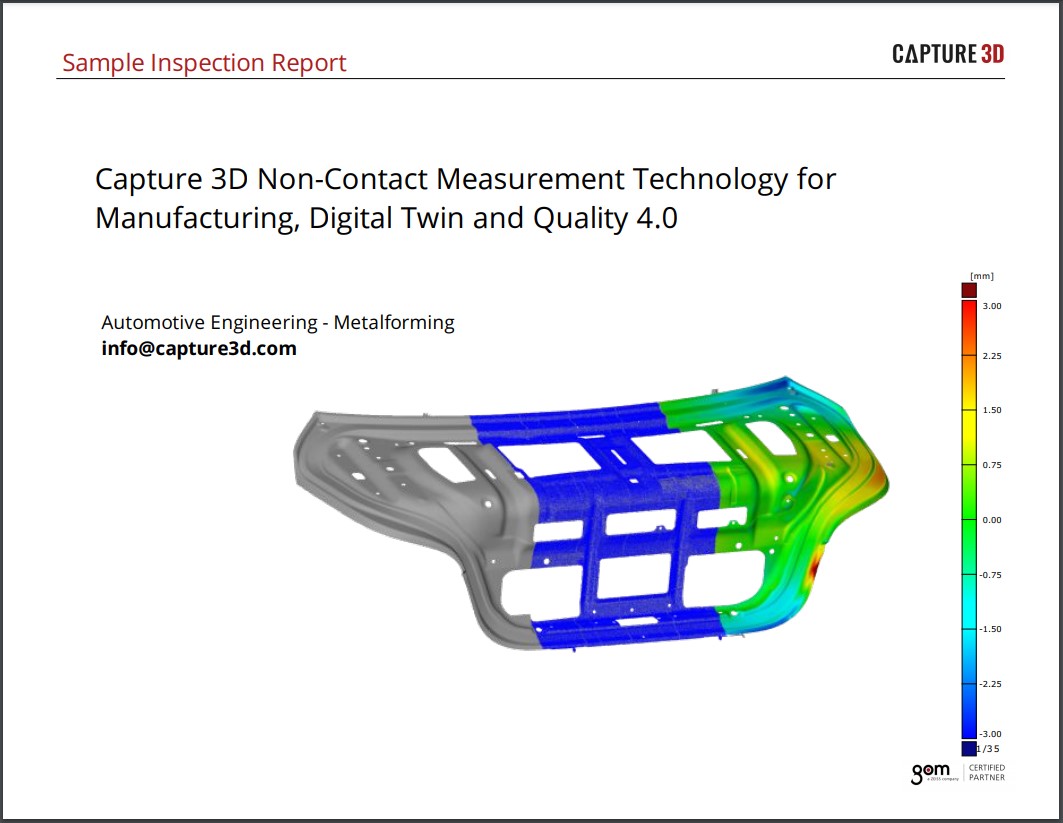
During recent years, optical measuring technologies in sheet metal forming and tooling have been used more and more in the industry. Main applications are the digitizing of metal sheet parts and tools, forming analysis of metal sheets as well as the determination of material properties. Good interfaces to conventional CAD/CAM and numerical simulation systems made such optical measuring systems a part of complex process chains. These process chains mainly focus on optimizing the development of products and production processes and on improving the product quality. Using optical systems considerably decreases the development time for products and production while improving the quality.

3d Digitizing System


Fast Production of complex mold assemblies

Measuring Systems: ATOS

Keywords: NC-Code, Milling on Points, CAM, Computer Automated Manufacturing

In the actual case a series of glass bowls with rich ornaments had to be reproduced in numbers, respecting a demanding time table. Described are the needed steps to produce the mold assembly for a glass bowl with the dimensions of 230x230x150 mm. Lengthy Reverse Engineering process can be eliminated if the high end digitizer ATOS is used which produce a dense and accurate data file. Then the CAM (Computer Automated Manufacturing) process can be done directly on the STL data generated by the digitizer.

3d Digitizers


Digitizing tremendously saves time and costs when modifying series tools

Measuring Systems: ATOS, TRITOP

Keywords: Optimized milling, hybrid modelling

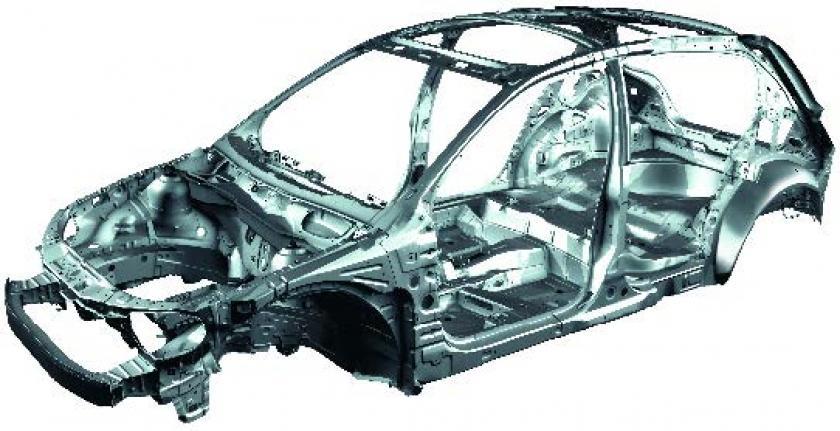
Modifications to the tools are required during starting up the tools or in the first production phase of car body parts. Thus, the real shape of the tool does no longer correspond to its original and basic design. To repair or reproduce the tool efficiently, the best technical solution is to digitize the surfaces of the tool and prepare the digitized data as CAD data set.

Optical Digitizing


Optical Digitizing by ATOS for Press Parts and Tools

Measuring Systems: ATOS, TRITOP

Keywords: Springback, trimming, milling, casting

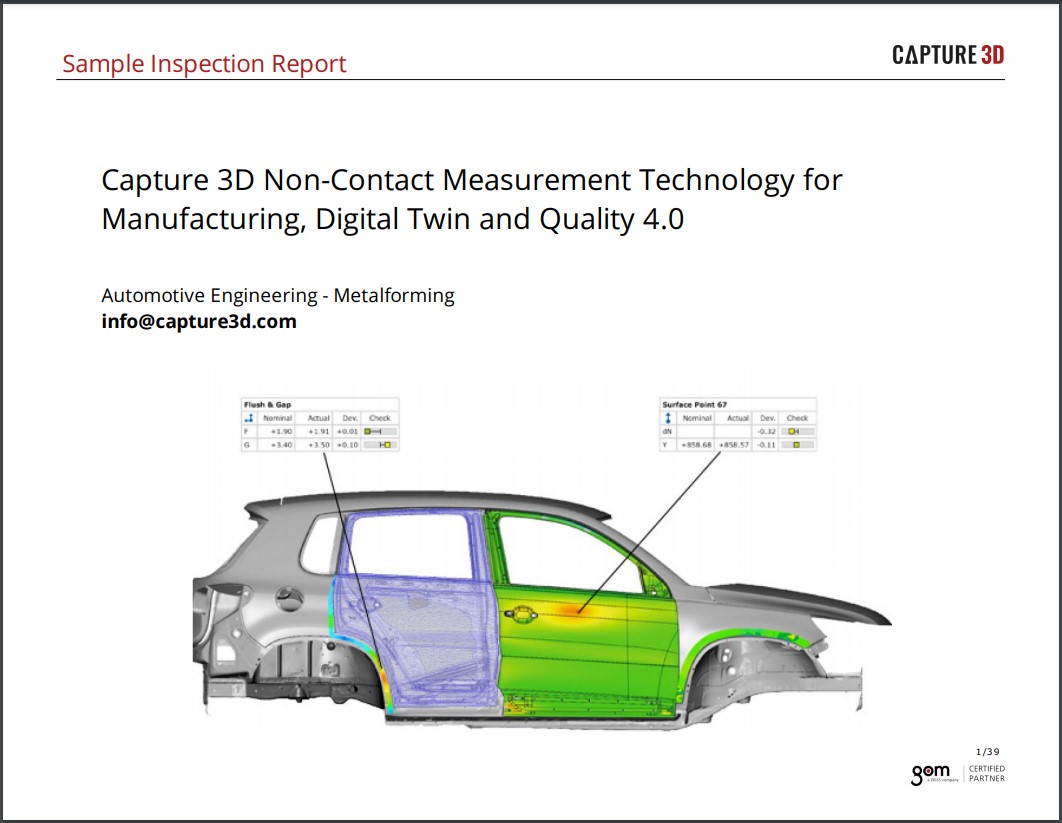
During recent years, optical sensors like the ATOS system for digitizing sheet metal parts and tools have been more and more used in the industry. In the following you can see how the nominal/actual comparison of sheet metals is used in the automotive industry for analysis and inspection purposes and on various applications in tool manufacturing.

3d inspection Tools


3D Digitizing in Tool and Moldmaking

Measuring Systems: ATOS, TRITOP

Keywords: Milling, Forms and casts, Try out analysis

In tool and mold making it is important to capture the actual contour of a part. The traditional method for the acquisition of measuring data is time-consuming and requires transporting the tool to the measuring setup. Powerful digitizing systems, based on the principle of fringe projection, are an integral part of industrial process and measuring chains and constitute a good alternative.

ATOS


Milling on digitized data; Casted Blanks

Measuring Systems: ATOS

Keywords: casted blanks, stamping process, cutter path, toolmaking

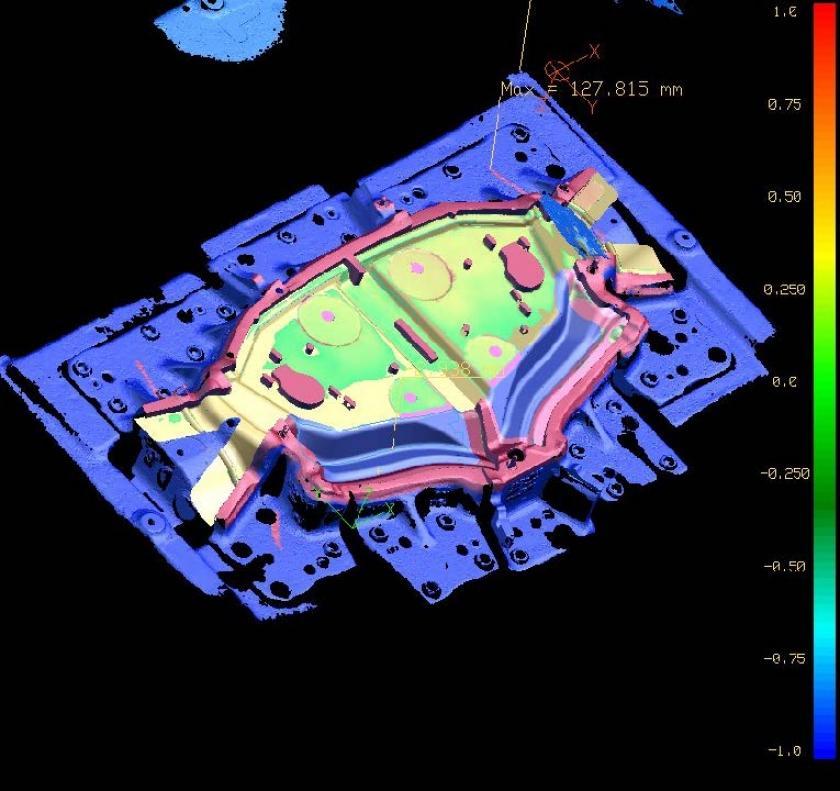
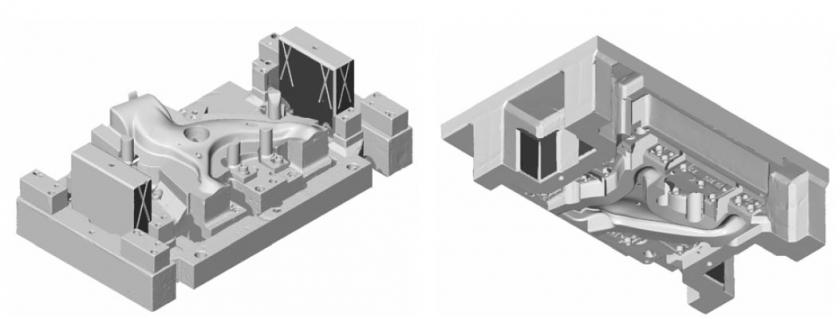
Big tools or dies for sheet metal work are mostly milled out from casted blanks. The blank has to have excess material to compensate for deviations in the imbedding and the casting. In addition the blank has to have excessive material in the active areas to allow machining and hand tuning of the tool to produce the requested form and surface quality of the part in the stamping process. The digitizing of the blanks can be done by the ATOS Scanner and the ATOS export data can be directly imported in CAM systems. Based on the actual data, the form of the blank can now be fitted into the needed tooling geometry. Then an optimal fit can be defined with minimized processing time. In addition an optimized and collision free cutting path can be calculated, with ideal cutting parameters and minimized cutting time to generate the tool from the blank in a predictable, fast, save and unmanned operation.

3d scanner