
Consumer Goods
Case Studies
Learn how consumer goods companies are using accurate structured blue light 3D scanners, comprehensive inspection software, photogrammetry technology, and/or automation to improve manufacturing processes with rapid precision measurements
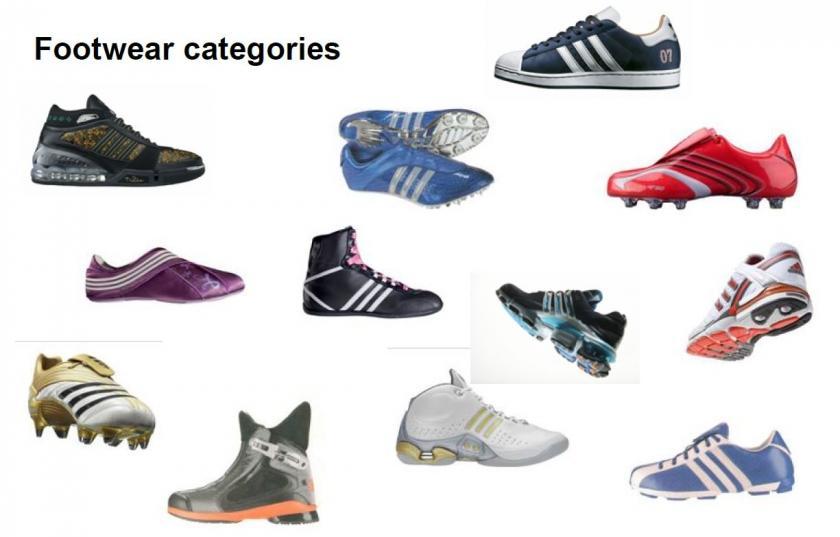
Adidas explains why Footwear requires digitization at their facility for continual product improvement and engineering development.
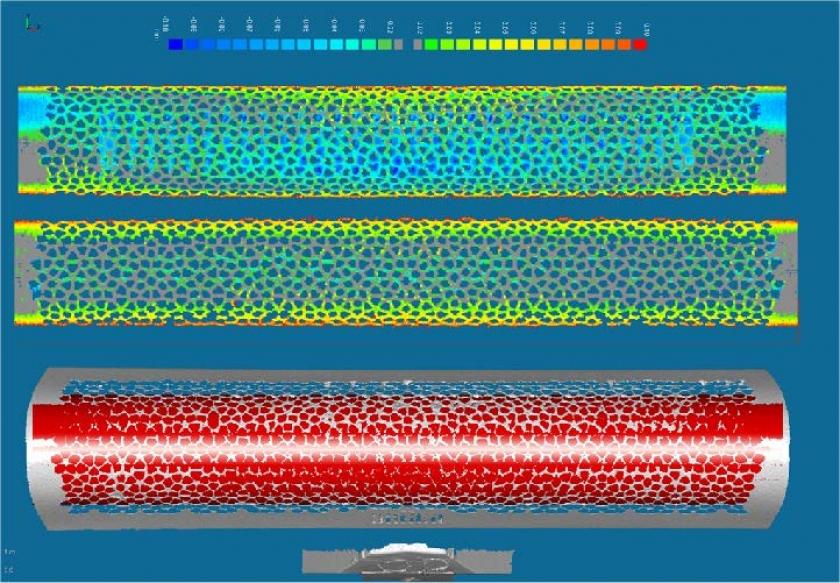
This presentation from 2006 explains Braun's need for GOM's ATOS 3D scanner in their measuring department for inspection and analysis of their injection molded parts.
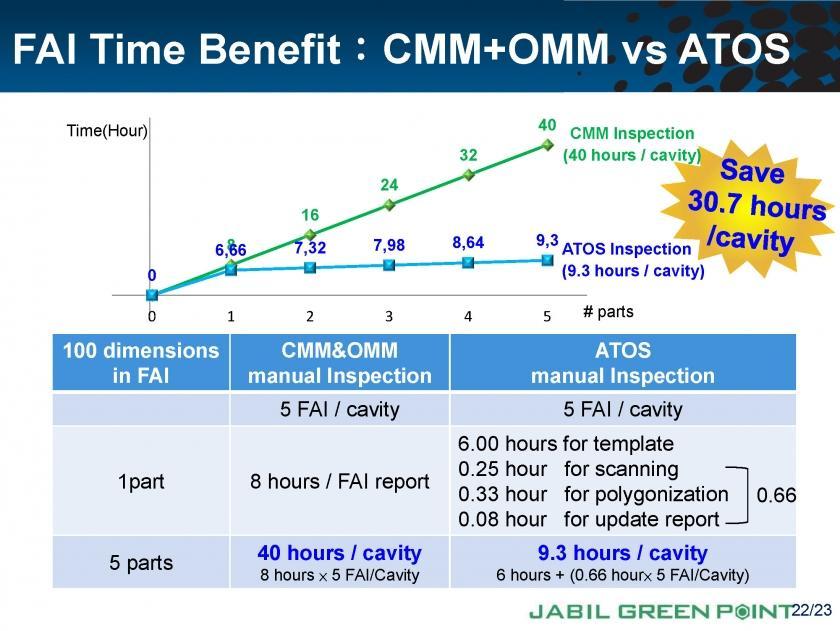
Jabil Greenpoint is the world's third largest electronic manufacturing service provider with over 21 million square feet manufacturing and over 60 sites on four continents.…
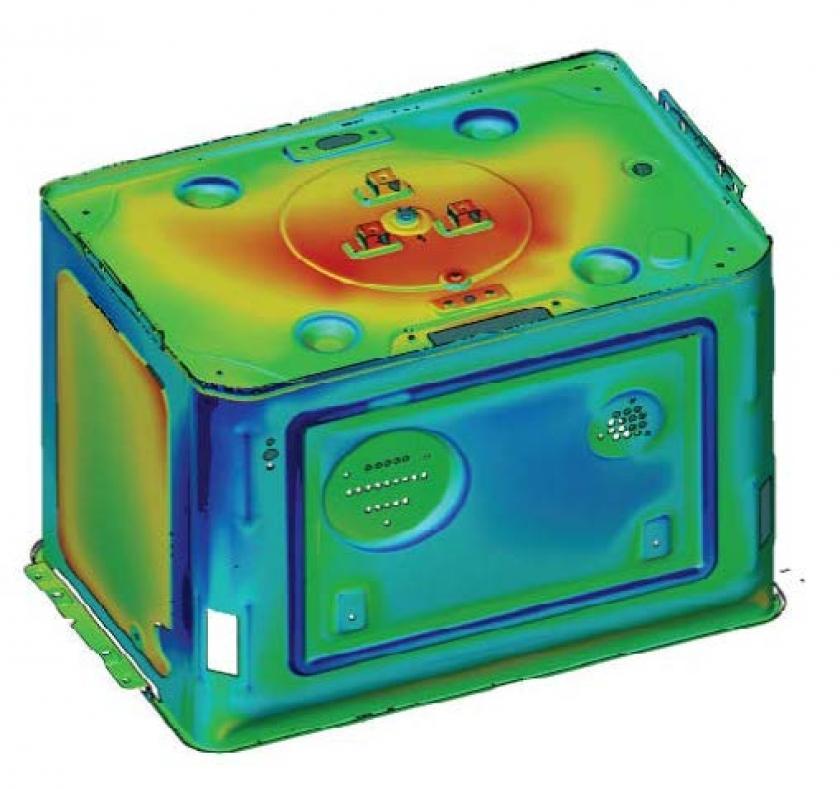
Miele's presentation gives an overview on their ATOS and TRITOP implementation for the dimensional analysis of their consumer goods products. In order to maintain the…
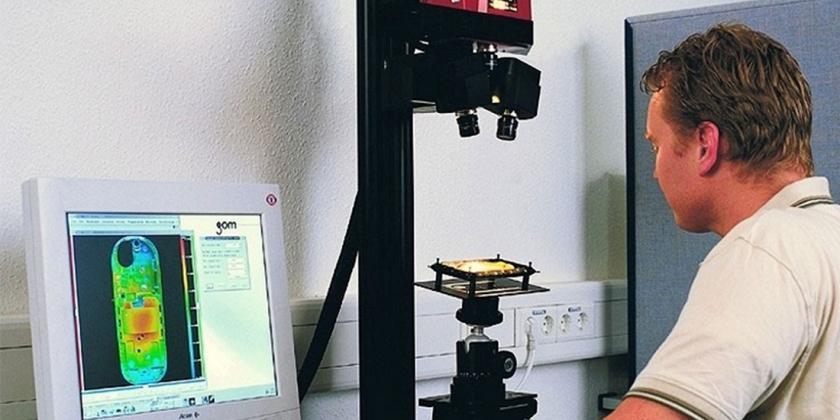
In the mobile phone market it is crucial that a newly developed model gets fast to market. Therefore, reliable suppliers are needed who are able…
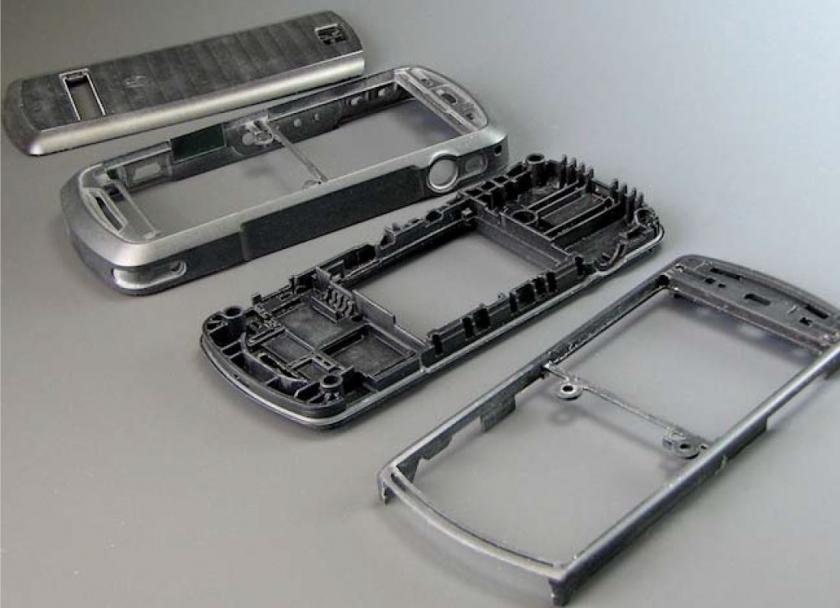
This presentation by Motorola covers their investigation into 3D metrology systems and why ATOS was selected. It also covers their process for product development and…
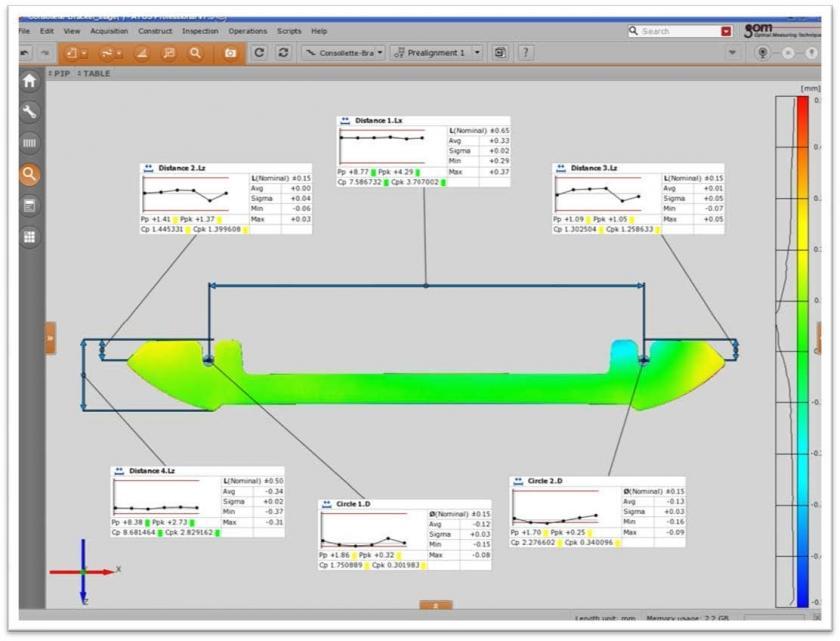
This presentation by Motorola explains the necessity for the Golden Part or Average Mesh and the statistical calculations.
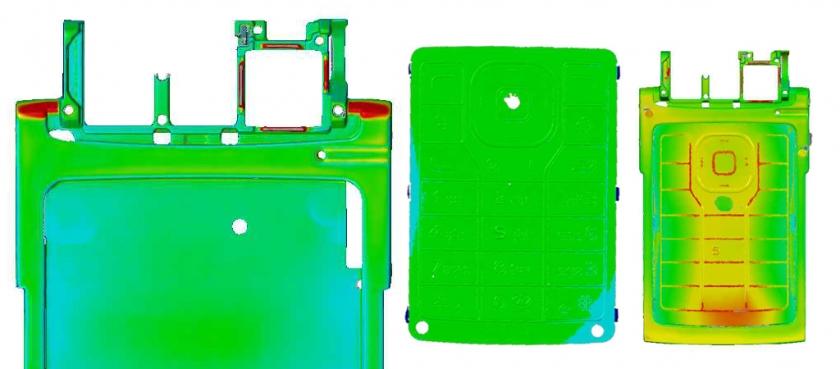
In 2007, Nokia delivered a presentation at the GOM International Conference on their ATOS Gage R&R results.
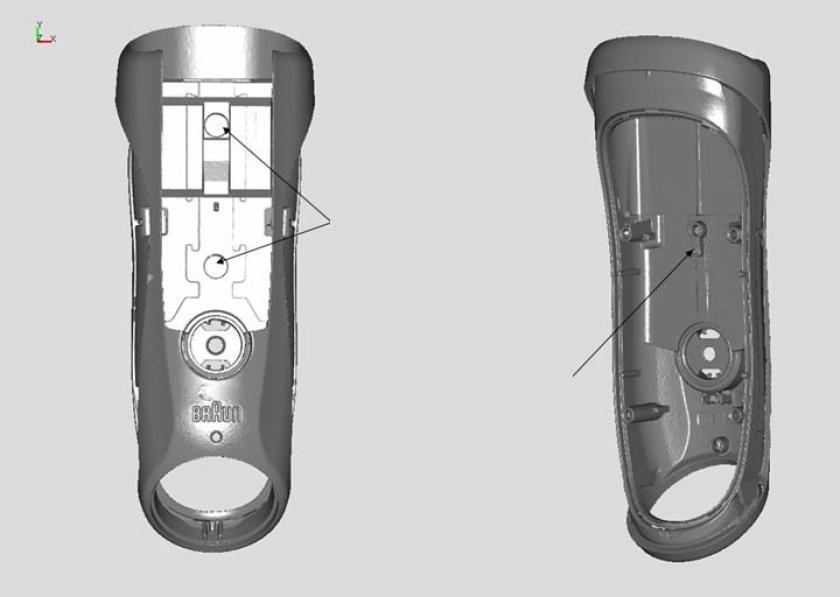
This presentation covers Proctor & Gamble's implementation of ATOS from 2003 to 2013 focusing on processes for dimensional analysis and inspection of plastic parts, tooling,…